

Introduction
Ensuring the safety and wellbeing of students, teachers, and staff is a top priority for every educational institution. Schools are not just centers of learning; they are vibrant communities where children spend a significant portion of their day. With rising concerns about accidents, health risks, and emergency preparedness, understanding what are Health and Safety Executive Schools Guidelines is crucial. These guidelines provide a structured approach to maintaining a safe and healthy environment within schools and help staff prevent incidents before they occur.
Why Health and Safety Matter in Schools
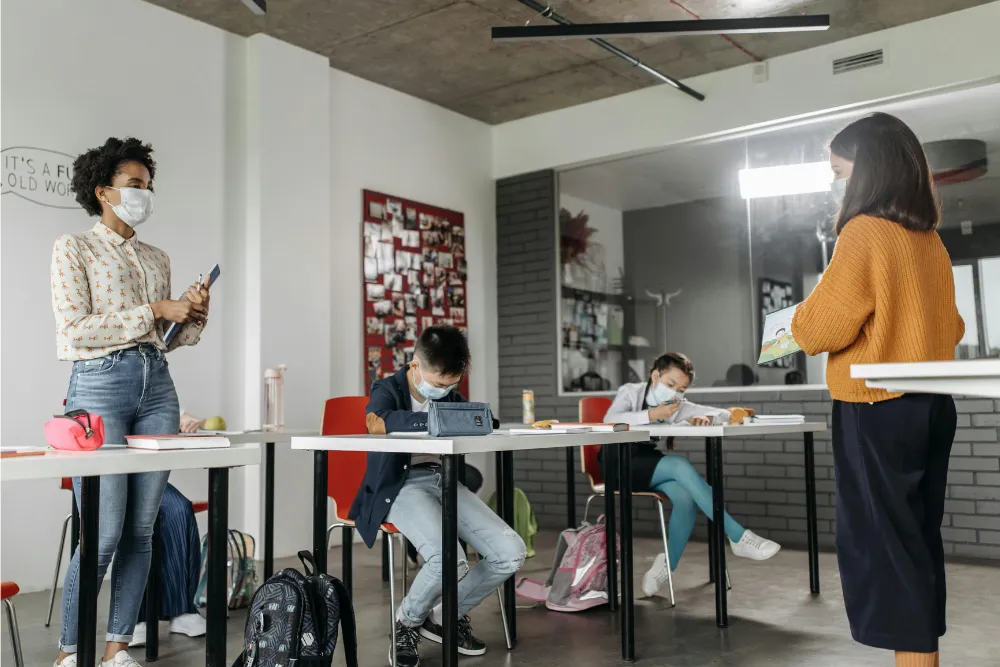
Schools are bustling environments where hundreds of children, teachers, and staff interact daily. While education is the primary goal, safety cannot be overlooked. From slippery floors to chemical storage in laboratories, various hazards can emerge unexpectedly.Would you like to read my article? It might be helpful for you.What Is the Latest King Charles Health Update Today?
Consider the story of a local school where a minor fire broke out in the chemistry lab. Thanks to proper Health and Safety Executive Schools Guidelines, staff quickly evacuated students and contained the situation, preventing serious injuries. This real-life example highlights the importance of having clear safety protocols and the difference they can make when emergencies arise.
Safety in schools is not just about avoiding accidents—it’s about building an environment where students can thrive without fear. A secure environment fosters better learning, encourages exploration, and nurtures confidence among students. Teachers can focus on teaching rather than worrying about potential risks, while parents feel reassured that their children are in safe hands.
Understanding What Are Health and Safety Executive Schools Guidelines?
Health and Safety Executive Schools Guidelines are a comprehensive set of rules, best practices, and protocols designed by the Health and Safety Executive (HSE) to ensure the safety of everyone in school premises. These guidelines cover a wide range of areas including:
- Fire safety protocols
- First aid requirements
- Risk assessments for classrooms, labs, and playgrounds
- Handling hazardous materials
- Emergency evacuation plans
- Health and hygiene practices
By following these guidelines, schools can minimize risks, ensure compliance with the law, and create a secure environment for students, staff, and visitors.
Key Areas Covered by the Guidelines

Here’s a detailed look at the main areas addressed in Health and Safety Executive Schools Guidelines:
Risk Assessment
One of the most critical components is conducting a thorough risk assessment. Schools must regularly identify potential hazards, evaluate the associated risks, and implement measures to mitigate them. This includes checking for slippery floors, damaged playground equipment, overcrowded classrooms, and potential electrical hazards.Want to explore my article? You may find it useful.How Did Ice Spice Weight Loss Become a Hot Topic Online?
Creating a risk assessment checklist and updating it regularly ensures that schools stay proactive rather than reactive. Staff can document incidents, monitor recurring issues, and plan improvements. This approach reduces accidents and creates a culture of safety.
Fire Safety
Fire safety is a non-negotiable aspect of school management. Guidelines specify regular fire drills, placement of alarms and extinguishers, and staff training. Teachers and students should be familiar with evacuation routes and emergency procedures.
Schools should hold periodic fire safety workshops to educate students on how to act calmly and safely during emergencies. Using clear signage, practicing drills, and reviewing procedures after each drill enhances preparedness.
First Aid
Schools should maintain fully stocked first aid kits and ensure staff are trained in basic first aid procedures. Accidents can range from minor injuries like paper cuts to serious situations such as fractures or allergic reactions.
Proper documentation of incidents is essential. Recording even minor injuries helps identify patterns, like a slippery hallway or unsafe equipment, allowing schools to take preventive measures. Staff training should also cover handling medical emergencies and administering life-saving techniques if necessary.Would you like to gain more knowledge from my article?Why Do People Want to Know About John Thomas Osbourne?
Laboratory and Workshop Safety
Science labs, art rooms, and technical workshops are integral to modern education but carry inherent risks. Handling chemicals, tools, or machinery improperly can lead to serious accidents. Guidelines emphasize proper storage, clear labeling, and supervision during experiments.
Teachers should conduct safety briefings before lab sessions, demonstrate correct usage of equipment, and enforce strict adherence to safety rules. Installing safety equipment like eyewash stations and fire blankets is also recommended to mitigate risks.
Playground and Physical Education Safety

Sports and playground activities are common sources of injuries. Guidelines suggest proper surface materials, routine equipment checks, and adequate staff supervision during playtime.
Physical education teachers should ensure that students are using equipment correctly, warming up properly, and following rules to prevent accidents. Encouraging safe play habits early instills responsibility and reduces the likelihood of injuries.
Health and Hygiene
Maintaining clean facilities, promoting regular handwashing, and controlling infectious diseases are vital components of school safety. Guidelines encourage schools to implement strict hygiene protocols, regular cleaning schedules, and educational programs about personal hygiene.
In recent times, these practices have become even more important. Schools that teach children about hygiene, respiratory etiquette, and illness prevention contribute to a healthier environment and reduce absenteeism.
Step-by-Step Implementation in Schools
Implementing Health and Safety Executive Schools Guidelines might feel overwhelming, but a systematic approach can make it manageable. Here is a step-by-step plan:
Conduct a Comprehensive Risk Assessment
Identify hazards in classrooms, playgrounds, labs, and staff areas. Document findings and prioritize issues based on severity.
Train Staff Regularly
Teachers, administrative staff, and support personnel should receive training in first aid, fire safety, and emergency procedures.
Establish Safety Committees
Forming a dedicated team to monitor safety standards, conduct inspections, and implement updates ensures accountability.
Develop Clear Policies
Schools should maintain policies for emergencies, hazardous materials, bullying, and infectious diseases. These policies should be communicated to staff, students, and parents.
Engage Students
Teaching students safety rules, conducting fire drills, and encouraging the reporting of unsafe conditions helps create a safety-conscious culture.
Regular Audits and Reviews
Schools should perform monthly or quarterly audits to ensure that safety measures are effective and policies remain up-to-date.
Continuous Improvement
Learn from incidents and near-misses. Use feedback from staff, students, and parents to enhance safety protocols over time.
Real-Life Impact of Following Guidelines
At a secondary school in Manchester, a small accident during a lab experiment could have escalated into a serious injury. However, because the school strictly adhered to Health and Safety Executive Schools Guidelines, the teacher immediately applied first aid, evacuated the area, and followed reporting procedures. The proactive approach not only prevented harm but also reassured parents and staff about the school’s commitment to safety.
Another example comes from a school playground where frequent minor slips were recorded. After implementing a structured safety review and improving surface materials, accidents significantly decreased. These stories highlight the practical benefits of following guidelines.
Benefits of Following Guidelines
Adhering to Health and Safety Executive Schools Guidelines offers numerous advantages:
- Reduces Accidents and Injuries – Proactive measures prevent incidents before they occur.
- Ensures Legal Compliance – Following HSE guidelines keeps schools compliant with national safety regulations.
- Boosts Confidence – Parents, staff, and students feel secure in a safe environment.
- Enhances School Reputation – Schools known for safety attract more students and maintain a positive public image.
- Promotes Learning – A safe environment allows teachers and students to focus on education rather than worrying about potential hazards.
Common Challenges and How to Overcome Them
Resistance to Change
Some staff may resist new safety procedures. Solution: Conduct workshops explaining the benefits and share success stories to encourage buy-in.
Budget Constraints
Safety upgrades may seem costly. Solution: Prioritize critical areas such as fire safety, first aid, and high-risk zones, then gradually expand improvements.
Engaging Students
Children may forget safety rules quickly. Solution: Use interactive drills, posters, and games to reinforce knowledge and create lasting habits.
FAQs
Are these guidelines mandatory?
Yes, HSE guidelines are required for all schools to maintain safety standards.
Who is responsible for implementing these guidelines?
School management, safety officers, teachers, and staff share responsibility for compliance.
Can students participate in safety initiatives?
Yes, older students can help identify hazards under supervision, promoting awareness and responsibility.
Why are Health and Safety Executive Schools Guidelines so important for students’ daily learning?
Because these guidelines prevent accidents, prepare schools for emergencies, and create a safe environment where students can focus on learning without fear.
Conclusion
Understanding what are Health and Safety Executive Schools Guidelines is not just about legal compliance—it is about creating a safe, secure, and nurturing environment for learning. Schools that implement these guidelines diligently reduce risks, improve student well-being, and strengthen their reputation.
From conducting regular risk assessments to enforcing fire safety protocols and teaching students essential safety habits, adherence to these guidelines is critical. By following the step-by-step approach outlined above, schools can confidently ensure safety for everyone on campus.
For school leaders, teachers, and parents, knowing what are Health and Safety Executive Schools Guidelines is the first step toward a safer, more productive educational experience.