Introduction
Mental health is no longer a topic discussed only inside hospitals or therapy rooms. Today, it has become part of everyday conversations in schools, homes, and workplaces. Young people, in particular, are experiencing emotional pressure at levels that previous generations rarely faced.
Academic competition, social media comparison, family expectations, and uncertainty about the future have created an environment where emotional struggles can quietly grow.
Because of these realities, many communities are searching for practical ways to support young people before problems turn into crises. This is where Youth Mental Health First Aid plays a powerful role.
Just as physical first aid prepares someone to help during injuries, this training teaches individuals how to recognize emotional distress and respond safely and confidently.
Understanding and learning these skills is quickly becoming one of the most valuable abilities anyone can have today.
The Changing Emotional World of Young People
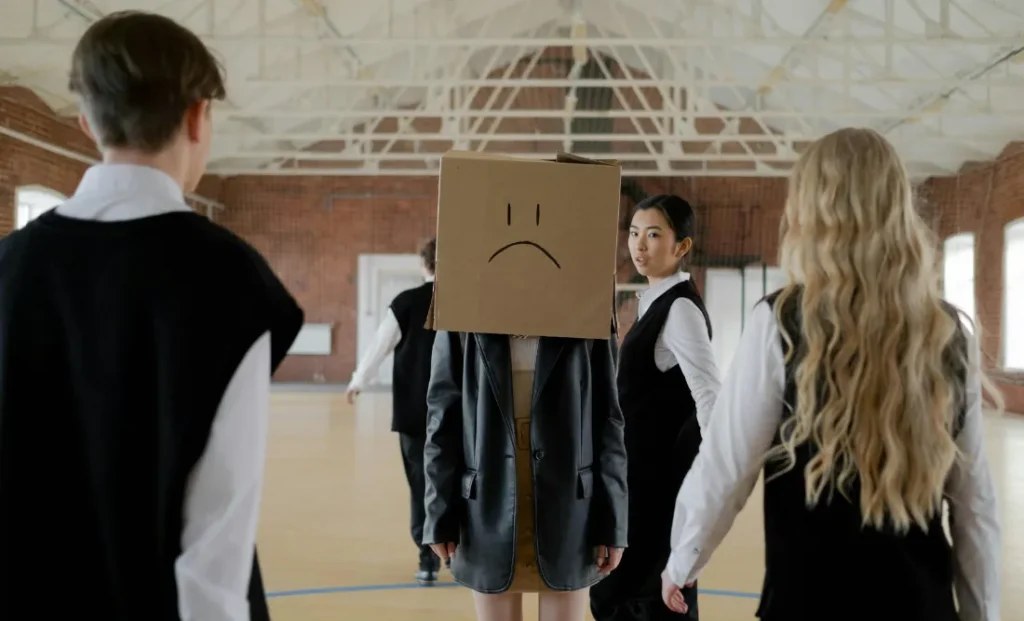
Growing up in the modern world offers opportunities, but it also introduces constant pressure. Teenagers and young adults are connected online 24/7, which means comparison never stops. A single negative comment, academic setback, or social rejection can feel overwhelming.
Is Employee Central Dignity Health Helpful for Employees, In many workplaces, employees often keep their struggles to themselves, especially younger staff who may fear being judged or misunderstood. They hide their stress behind normal behavior, which can lead managers to assume everything is fine while coworkers may misinterpret their silence as disinterest. This lack of communication creates gaps and confusion within the organization. Employee Central Dignity Health helps address this issue by providing a centralized platform where employees can easily access information, updates, and support. It encourages clearer communication and helps employees feel more connected, valued, and understood in their work environment.
However, emotional distress usually sends signals long before a crisis appears. Learning Youth Mental Health First Aid helps people notice these subtle changes early and respond with understanding instead of confusion.
Why Early Intervention Makes a Huge Difference
Mental health challenges rarely begin with extreme symptoms. Instead, they develop gradually. A young person may begin sleeping less, avoiding friends, losing motivation, or becoming unusually irritable.
When early signs are ignored, problems often deepen. On the other hand, early support can completely change the outcome.
- Encourages open conversations about emotions
- Reduces feelings of isolation
- Prevents worsening mental health conditions
- Builds trust between adults and youth
- Guides individuals toward professional support sooner
A Story That Reflects Everyday Reality

Consider a college freshman named Ali who moved away from home for the first time. At first, everything seemed fine. Slowly, however, he stopped attending group activities and rarely answered messages. His roommate assumed he just preferred being alone.
What Is the Current Status of Dolly Parton Health Today, Public concern about health often grows when subtle changes are noticed, much like how someone can recognize when a person seems unusually tired or disconnected. In the same way a classmate paying attention can make a difference, fans and media closely observe updates about Dolly Parton’s well-being. While small signs can raise questions, reliable information and official updates help provide clarity. Staying informed through trusted sources ensures that people understand her current health status without relying on assumptions or incomplete observations.
Ali eventually shared that he was feeling anxious and overwhelmed but didn’t know how to ask for help. That conversation encouraged him to seek campus counseling, which helped him regain confidence.
This situation shows how Youth Mental Health First Aid is not about being a therapist — it is about being present, aware, and supportive when someone needs it most.
What Makes Youth Mental Health First Aid Unique?
Many people believe helping someone emotionally requires professional expertise. In reality, the first response often comes from ordinary individuals — parents, friends, teachers, or coworkers.
Included points
- Recognizing warning signs of anxiety, depression, or emotional crisis
- Understanding how trauma and stress affect young minds
- Communicating calmly and respectfully
- Listening without judgment
- Encouraging healthy coping strategies
- Supporting someone until professional help becomes available
Step-by-Step Guide to Supporting a Young Person
One reason this approach is effective is that it offers a clear and structured method. When emotions run high, having a simple plan makes helping easier.
Observe Carefully
Notice behavioral changes such as withdrawal, sudden anger, declining performance, or loss of interest in hobbies.
Choose the Right Moment
Start conversations privately and calmly. Timing matters because young people open up more when they feel safe.
Ask Open Questions
Instead of giving lectures, ask gentle questions like, “How have you been feeling lately?”
Listen Without Interrupting
Avoid jumping to solutions. Let them express thoughts fully.
Show Empathy
Validate feelings by acknowledging their experience rather than dismissing it.
Encourage Professional Support
Guide them toward counselors, psychologists, or trusted adults when needed.
Stay Connected
Follow up regularly. Consistent care strengthens emotional security.
Learning this structured response through Youth Mental Health First Aid removes uncertainty and replaces it with confidence.
Breaking Mental Health Stigma in Society

One of the biggest barriers young people face is stigma. Many still believe emotional struggles are signs of weakness. Because of this misconception, they delay seeking help.
Are CAPS Counselors at Syrscuse Community Health Center, When communities become more educated about mental health, the demand for accessible and supportive services naturally increases. As awareness grows, people become more open to seeking help, conversations improve, and empathy strengthens within the community. This shift highlights the importance of having professional support systems like CAPS counselors available at places such as Syrscuse Community Health Center. Their presence can make it easier for individuals to access guidance, feel understood, and take better care of their emotional well-being as part of a more informed and supportive environment.
As more individuals learn Youth Mental Health First Aid, mental health discussions feel normal rather than uncomfortable. This cultural shift encourages young people to speak honestly about their struggles.
Why Families Benefit Greatly
Parents often feel helpless when their children experience emotional challenges. They want to help but fear saying the wrong thing.
- Understand emotional behavior better
- Respond calmly instead of reacting emotionally
- Build stronger trust with their children
- Create a safe home environment
The Role of Schools and Communities
Schools are one of the primary environments where young people spend their time. Teachers and staff often witness emotional changes before anyone else.
Imagine classrooms where educators can recognize anxiety signs early or sports coaches who know how to respond when a student suddenly loses confidence. Communities become safer when adults share responsibility for emotional well-being.
By adopting Youth Mental Health First Aid, schools and organizations create supportive environments that promote resilience rather than pressure.
Emotional Growth for the Helper
Interestingly, people who learn these skills often experience personal growth as well. They become more patient listeners and develop stronger emotional awareness.Helping others often strengthens one’s own emotional intelligence.
- Communicate more effectively
- Handle conflicts calmly
- Understand emotions better
- Feel more confident during difficult conversations
Why Investing in Training Is a Smart Decision
Some readers hesitate when considering whether mental health training is worth purchasing. However, unlike temporary products, this knowledge provides lifelong value. A single supportive interaction can prevent years of emotional pain. The ability to recognize warning signs early can even save lives.
Choosing Youth Mental Health First Aid means investing in:
- Lifelong communication skills
- Crisis response confidence
- Stronger relationships
- Community impact
- Personal emotional growth
It is not just a course — it is a practical life skill that continues to benefit both the learner and those around them.
A Future Built on Awareness and Compassion
Society is slowly moving toward recognizing that mental health support must exist everywhere, not only in professional settings. Communities thrive when people look out for one another emotionally as well as physically.
Imagine a future where young people feel safe sharing their struggles, where teachers respond with empathy, and where families understand emotional needs without judgment.
This vision becomes achievable when more individuals embrace Youth Mental Health First Aid as a shared responsibility rather than a specialized skill.
FAQS
Can Youth Mental Health First Aid training be completed online effectively?
Yes, many programs offer blended or fully online learning options. Virtual sessions include interactive discussions, scenario practice, and guided instruction, allowing participants to gain practical skills even without attending physical classroom training environments.
Is Youth Mental Health First Aid suitable for different cultures and communities?
The training framework is adaptable and encourages cultural sensitivity. Participants learn to respect family values, social norms, and communication styles, ensuring mental health support feels appropriate and respectful within diverse cultural and community settings worldwide.
Does learning Youth Mental Health First Aid create legal responsibility for helping someone?
No, participants are not expected to act as medical professionals. The training focuses on offering initial support and guidance while encouraging professional help, which reduces fear of liability and promotes safe, responsible assistance practices.
How often should someone refresh their Youth Mental Health First Aid skills?
Refreshing skills every few years is helpful because mental health research and youth challenges continue evolving. Regular updates improve confidence, reinforce communication techniques, and ensure helpers remain prepared to respond effectively to modern emotional and psychological situations.
Final Thoughts
Young people today are navigating a complex and demanding world. While professional mental health services remain essential, everyday support often becomes the first step toward healing.
Learning Youth Mental Health First Aid empowers ordinary individuals to notice, listen, and respond with compassion. It turns concern into meaningful action and creates environments where young people feel seen and supported.
In many ways, emotional first aid is becoming just as important as physical first aid. By gaining these skills, you are not only helping others — you are contributing to a kinder, healthier, and more understanding society.
Sometimes, all it takes is one informed person to change someone’s story.